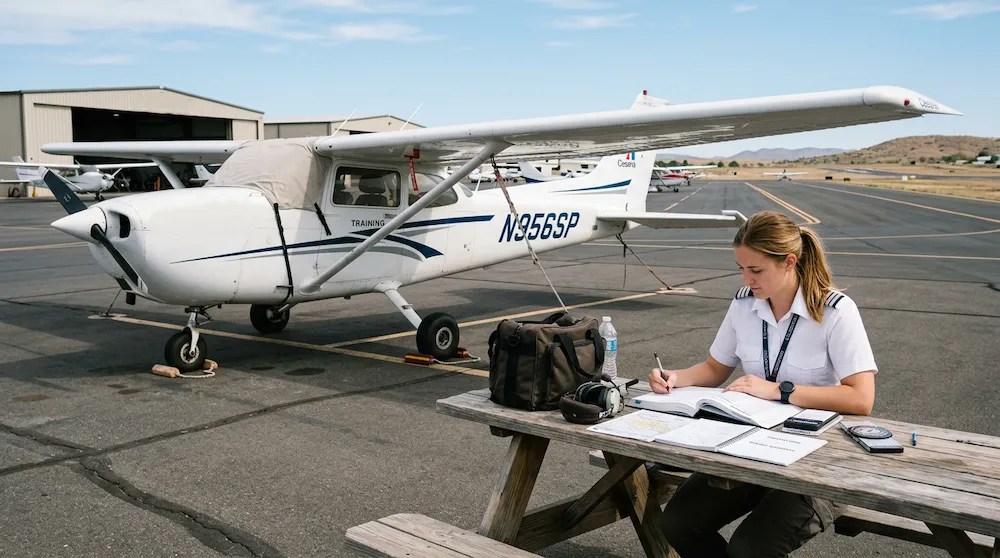
Learning to fly is one of the most rewarding experiences you can have. However, many aspiring pilots start their training with common questions: What should I expect during my first lesson? How can I prepare before starting flight training? What habits help student pilots succeed?
The truth is that successful flight training begins long before your first take-off. Good preparation can help you learn faster, reduce stress, and make the most of every lesson. Whether you’re planning to pursue a Recreational Pilot Licence (RPL) or a Private Pilot Licence (PPL), following the right student pilot tips and preparation strategies can significantly improve your training experience.
This guide covers practical advice for beginner pilots in Australia and explains how to prepare for success from day one.
Why Preparation Matters for Student Pilots
Flight training involves much more than learning how to control an aircraft. You’ll also develop knowledge in navigation, weather interpretation, aviation regulations, aircraft systems, and decision-making.
Students who arrive prepared often:
- Progress through lessons more efficiently
- Build confidence faster
- Retain information better
- Require fewer revision flights
- Enjoy the learning process more
Good preparation doesn’t require aviation experience—it simply requires the right mindset and habits.
Understand Your Training Path
Before starting your flight training, it’s helpful to understand the common licence pathways available in Australia.
Recreational Pilot Licence (RPL)
The RPL is usually the first licence many students pursue. It allows pilots to fly recreationally within certain operational limitations.
Private Pilot Licence (PPL)
The PPL expands your flying privileges and provides more flexibility for navigation flights and advanced operations.
Understanding your goals early helps your instructor tailor your training plan accordingly.
Essential Student Pilot Tips Before Your First Lesson
Get Familiar with Basic Aviation Concepts
You don’t need to become an expert before your first lesson, but learning a few aviation basics can help.
Topics worth exploring include:
- Aircraft controls
- Basic aerodynamics
- Airport operations
- Aviation terminology
- Radio communication fundamentals
This background knowledge makes lessons easier to follow and helps reduce information overload.
Arrive Well Rested
Flying requires concentration and decision-making skills.
Before each lesson:
- Get adequate sleep
- Stay hydrated
- Eat a light meal
- Avoid excessive caffeine
- Never fly while fatigued
Professional pilots prioritise fitness for flight, and student pilots should develop these habits early.
Dress Comfortably
Wear comfortable clothing suitable for sitting in an aircraft for extended periods.
Recommended items include:
- Closed-toe shoes
- Sunglasses
- Light layers for changing weather conditions
- A notebook for training notes
Simple preparation can make your lessons more enjoyable and productive.
Develop Effective Study Habits
One of the most important student pilot tips and preparation strategies is maintaining consistent study habits.
Review Lessons After Each Flight
After every lesson:
- Review instructor feedback
- Write down key learning points
- Identify areas requiring improvement
- Prepare questions for your next lesson
Students who actively review their training often progress faster than those who rely solely on flight time.
Study Little and Often
Rather than cramming information before exams, aim for regular study sessions.
Even 20–30 minutes per day can improve retention of:
- Aviation theory
- Air law
- Meteorology
- Human factors
- Navigation principles
Consistency is far more effective than occasional intensive study.
Learn the Importance of Safety Culture
Safety is the foundation of aviation.
From your first lesson, focus on developing a professional safety mindset.
Follow Checklists Carefully
Checklists exist because aviation relies on consistency.
Never rush:
- Pre-flight inspections
- Engine start procedures
- Before-take-off checks
- Landing checks
Building disciplined habits early will benefit you throughout your flying career.
Ask Questions
A good instructor encourages questions.
If you don’t understand a procedure, weather concept, or aircraft system, ask.
Aviation learning is cumulative, and gaps in knowledge can create challenges later in training.
Understand Medical and Regulatory Requirements
In Australia, pilot training is regulated by the Civil Aviation Safety Authority (CASA).
Before progressing toward licence issue, you may need to meet specific medical and regulatory requirements depending on your training pathway.
Students should familiarise themselves with:
- Aviation Reference Number (ARN) requirements
- Medical certification requirements
- Flight test standards
- Licence eligibility criteria
Reviewing official guidance early helps avoid unnecessary delays during training.
Build Confidence Gradually
Many students worry about making mistakes.
The reality is that mistakes are a normal part of flight training.
Focus on Progress, Not Perfection
Every pilot has experienced:
- Uneven landings
- Radio communication errors
- Navigation mistakes
- Challenging weather decisions
The goal is continuous improvement rather than flawless performance.
Trust the learning process and focus on developing sound judgement over time.
Stay Consistent with Training
Long gaps between lessons often slow progress.
Where possible, schedule lessons regularly to maintain momentum and reinforce newly learned skills.
Consistent flying helps improve:
- Aircraft handling
- Confidence
- Knowledge retention
- Overall training efficiency
Choose the Right Flight School
One of the most important decisions you’ll make is selecting the right flight training provider.
A quality flight school should offer:
- Experienced instructors
- Structured lesson plans
- Flexible scheduling
- Well-maintained aircraft
- Strong safety standards
- Supportive learning environments
For students training in Melbourne, researching reputable flight schoolscan help ensure a positive learning experience from the beginning.
Schools that provide personalised instruction and clear training pathways often help students achieve their goals more efficiently.
Students looking for structured pilot training services should seek programs that balance practical flying skills with strong theoretical knowledge and ongoing mentorship.
Conclusion
Successful flight training starts with proper preparation. By developing strong study habits, maintaining a safety-focused mindset, staying physically prepared, and understanding Australia’s aviation requirements, you’ll set yourself up for long-term success.
These student pilot tips and preparation strategies can help you gain confidence, learn more efficiently, and enjoy every stage of your aviation journey. With the right flying instructor, consistent effort, and a commitment to learning, your goal of becoming a licensed pilot can become a reality sooner than you might expect.
 Flight Training
Leave a comment